
Words that preserve history
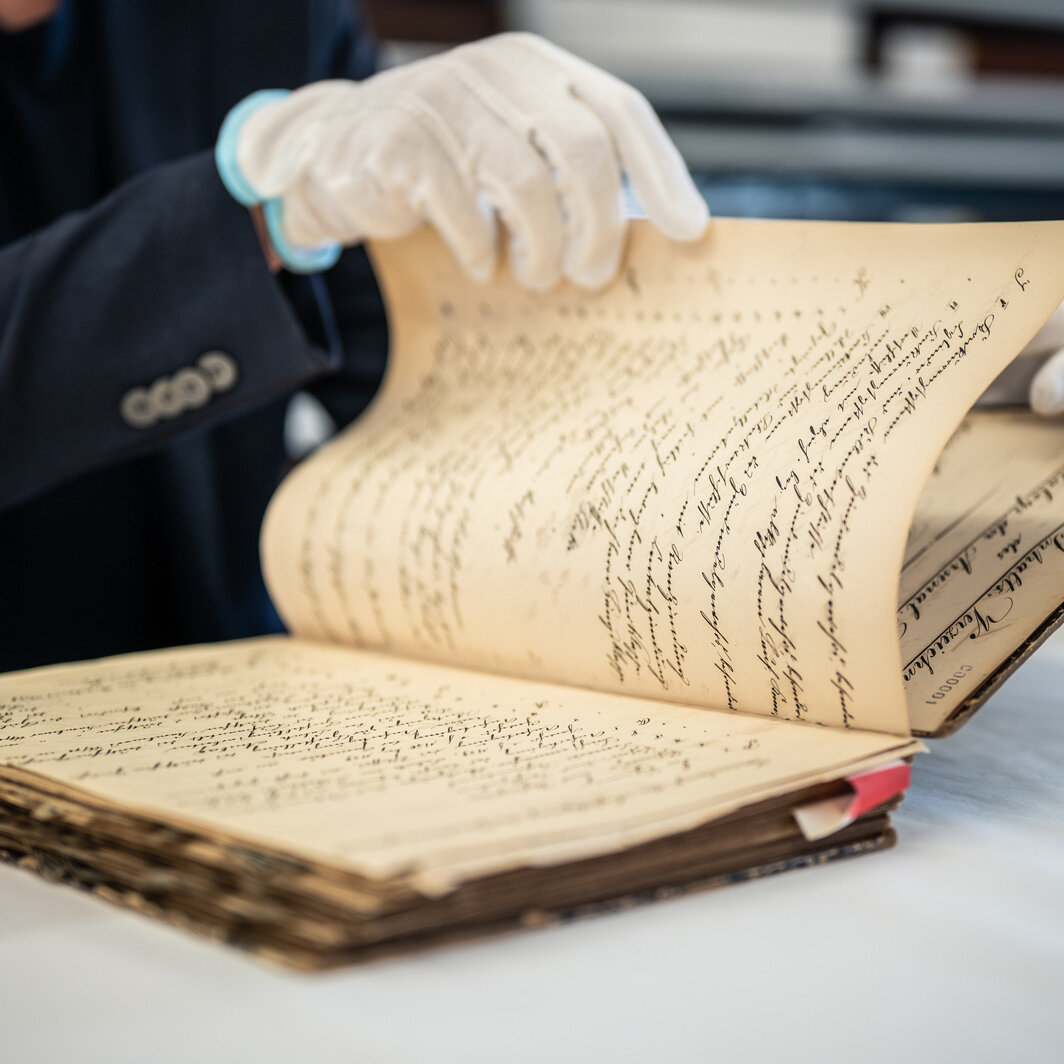
A handwritten field-post letter, a carefully kept diary, a poster on a street corner – all these objects tell a story that is relevant to military history. The documentary collection contains more than 200,000 handwritten and printed sources relating to German military history – from the early modern period to the present day. Key thematic areas include the two world wars, the Cold War (NVA, NATO), resistance to National Socialism and the history of the Bundeswehr.
Personal and service papers
When a soldier writes home, receives an evaluation or records personal thoughts, we gain an insight into their life. The holdings include more than 1,200 personal estates of soldiers, including diaries, field-post letters, identity cards, certificates and documents.
Posters, leaflets and audio recordings
More than 16,000 posters address themes relating to the two world wars, the Cold War and the history of the Bundeswehr. In addition, there are political, advertising and propaganda posters.
Another focus of the collection comprises around 5,000 Soviet and Allied leaflets from the Second World War, newspapers and magazines, as well as audio recordings (oral history).
Maps and plans
Around 20,000 maps provide insights into military aspects at tactical, operational and strategic levels. The map holdings are complemented by fortification plans, technical drawings and other special maps from the 17th century to the present day.


