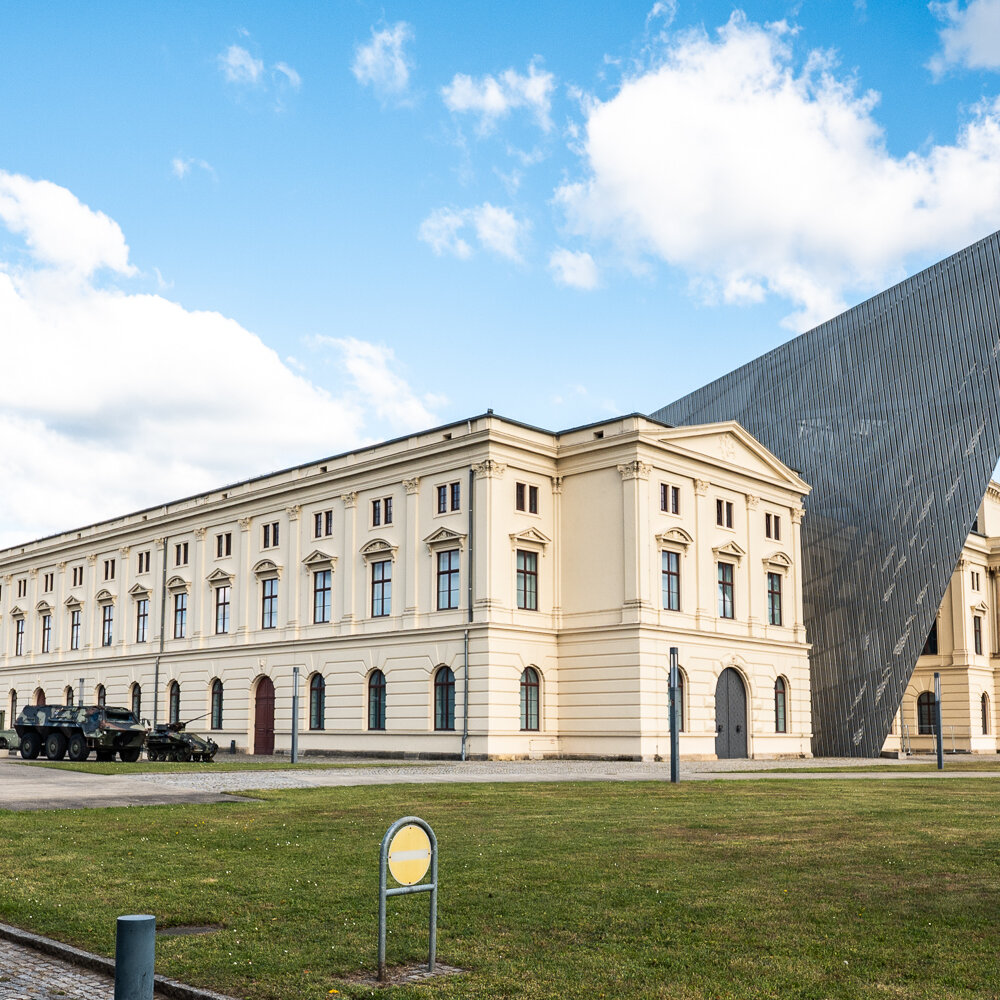
Zu sehen ist das Gebäude des Militärhistorischen Museums in Dresden.
Open copyright info

The Exceptional Object

Changing exhibitions, fascinating stories: Discover unique objects and the stories behind them.

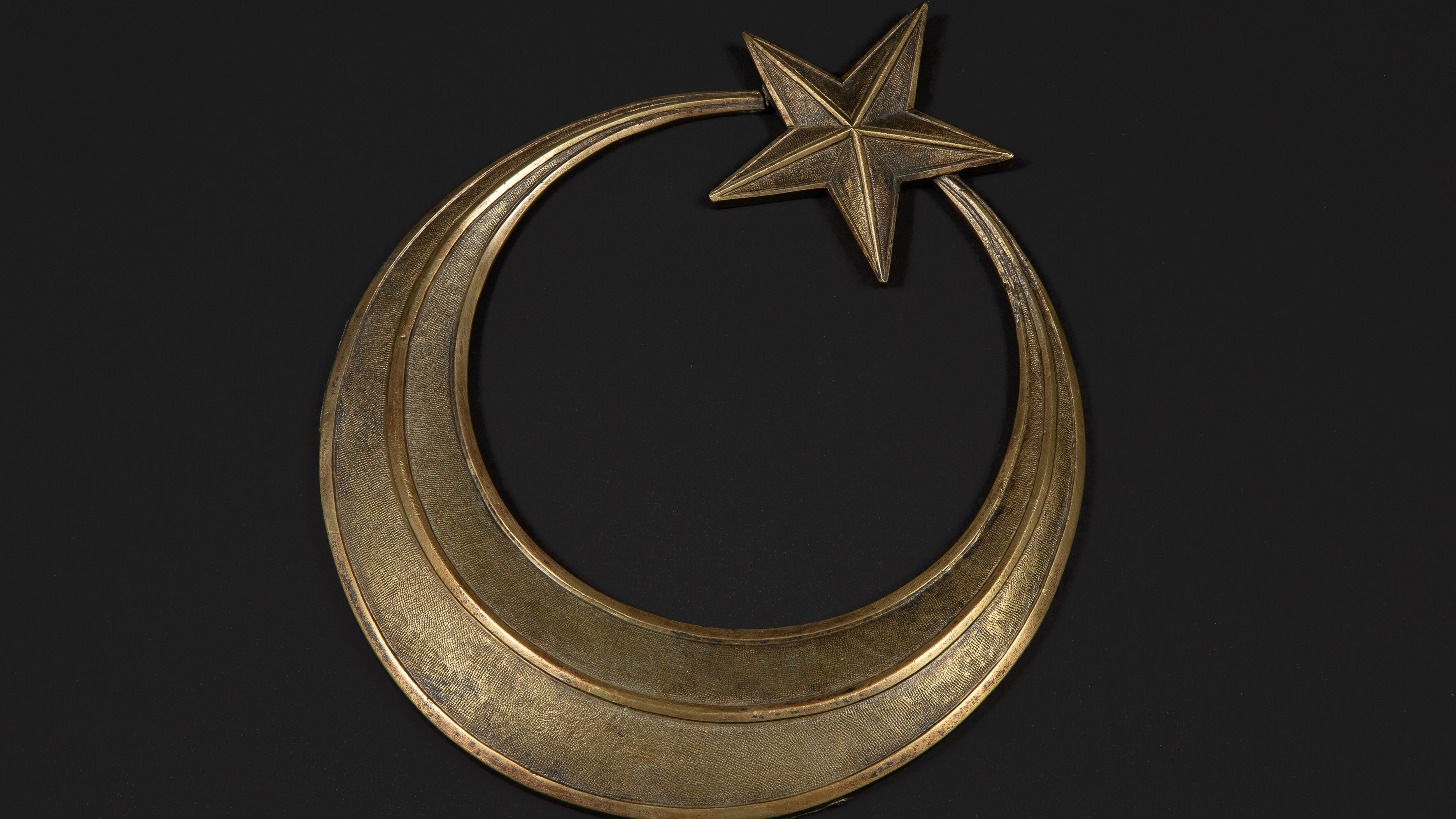
Das Bild zeigt einen Halbmond aus Messing, der zum Urnenschmuck von Max Immelmann gehörte.
Open copyright info

The Exceptional Object

On the 110th anniversary of Max Immelmann’s death

Shortly before his death in 1916, Immelmann was awarded the Iron Crescent, a high decoration of the Ottoman Empire, then an ally of the German Empire. For his funeral urn, Sultan Mehmed V Reşâd (1844–1918) had this ceremonial decoration sent to Dresden. It is now on display here as our Exceptional Object.
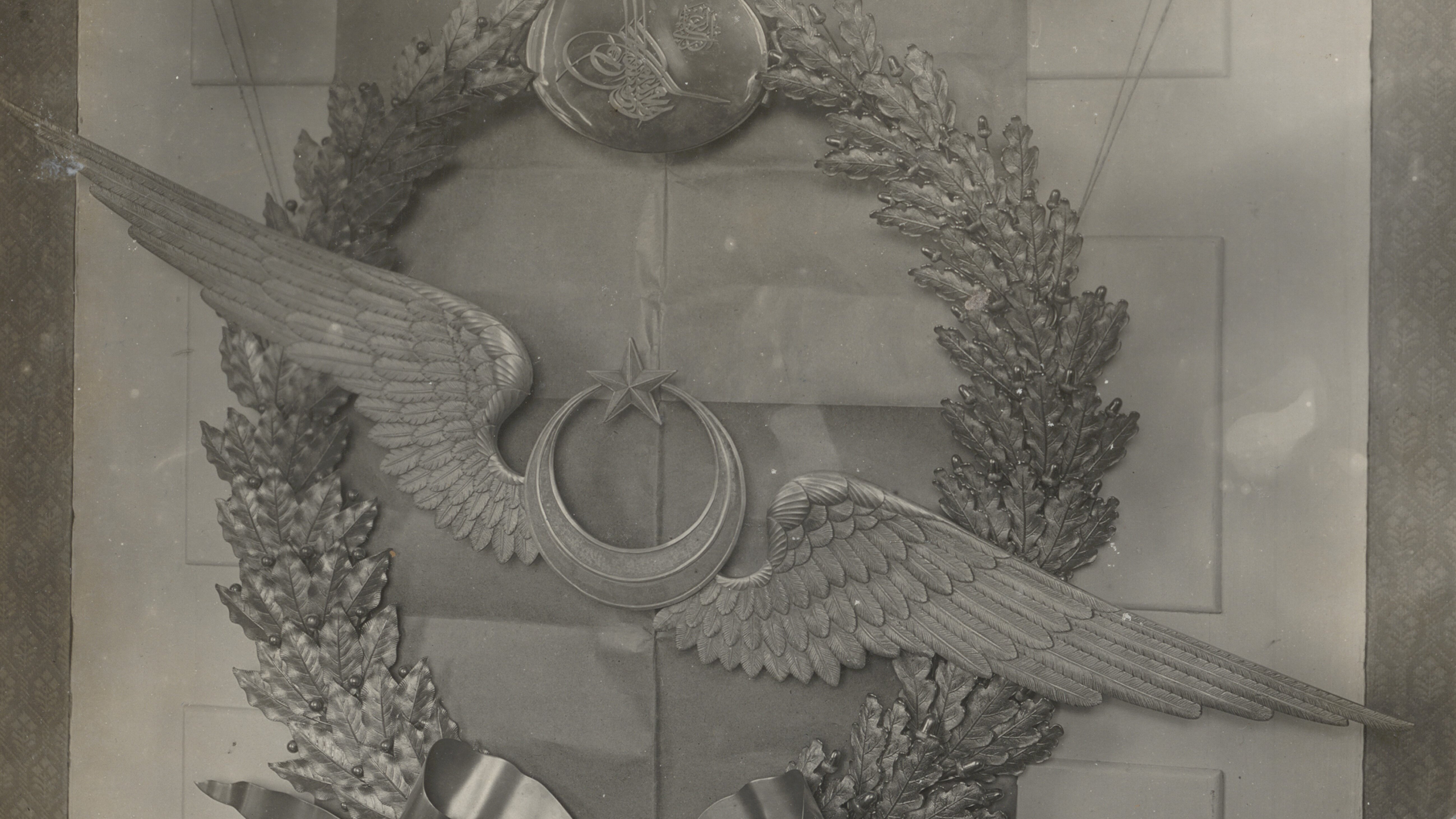
Zu sehen ist der Urnenschmuck, den der türkische Sultan Mehmed V. Reşad für die Beerdigung von Max Immelmann stiftete.
Open copyright info

Urn decorations for the funeral of Max Immelmann

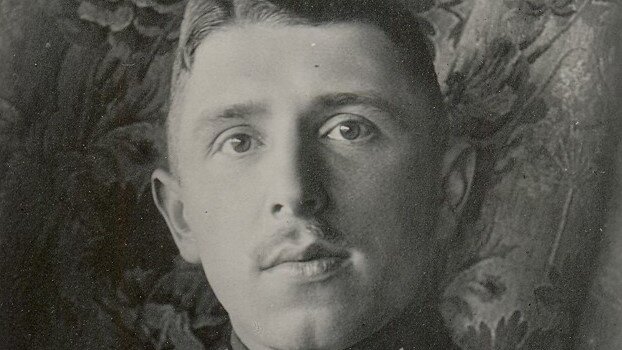
Max Immelmann, a native of Dresden, began his military training in 1905 in the Saxon army’s cadet corps. At the outbreak of the First World War, he was called up to serve in a railway regiment in Berlin. In November 1914, he transferred to the German army’s air arm, trained as a pilot, and went on to become one of Germany’s most famous fighter pilots. Immelmann combined flying skill with tactical innovation and is regarded as a co-founder of early aerial combat tactics. While the manoeuvre later named after him, the Immelmann turn, became a standard technical term, his significance also lay in the development of coordinated air combat, in which small groups of aircraft proved more effective than individual pilots.

Das Bild zeigt Max Immelmann mit seinen Orden.
Open copyright info

Thousands pay their last respects

Like many pilots of his time, Immelmann also performed first aid on seriously wounded opponents after aerial combat. This attitude was part of the pilots’ code of honour and earned him the respect of his adversaries. On 18 June 1916, Immelmann crashed in northern France under circumstances that remain unclear to this day, and was killed. The news of his death prompted widespread public mourning. His body was transported to Dresden, where thousands of people gathered as the funeral procession made its way to the cremation grounds in Tolkewitz. Representatives of the Kaiser, the Saxon royal family and the military paid their last respects.

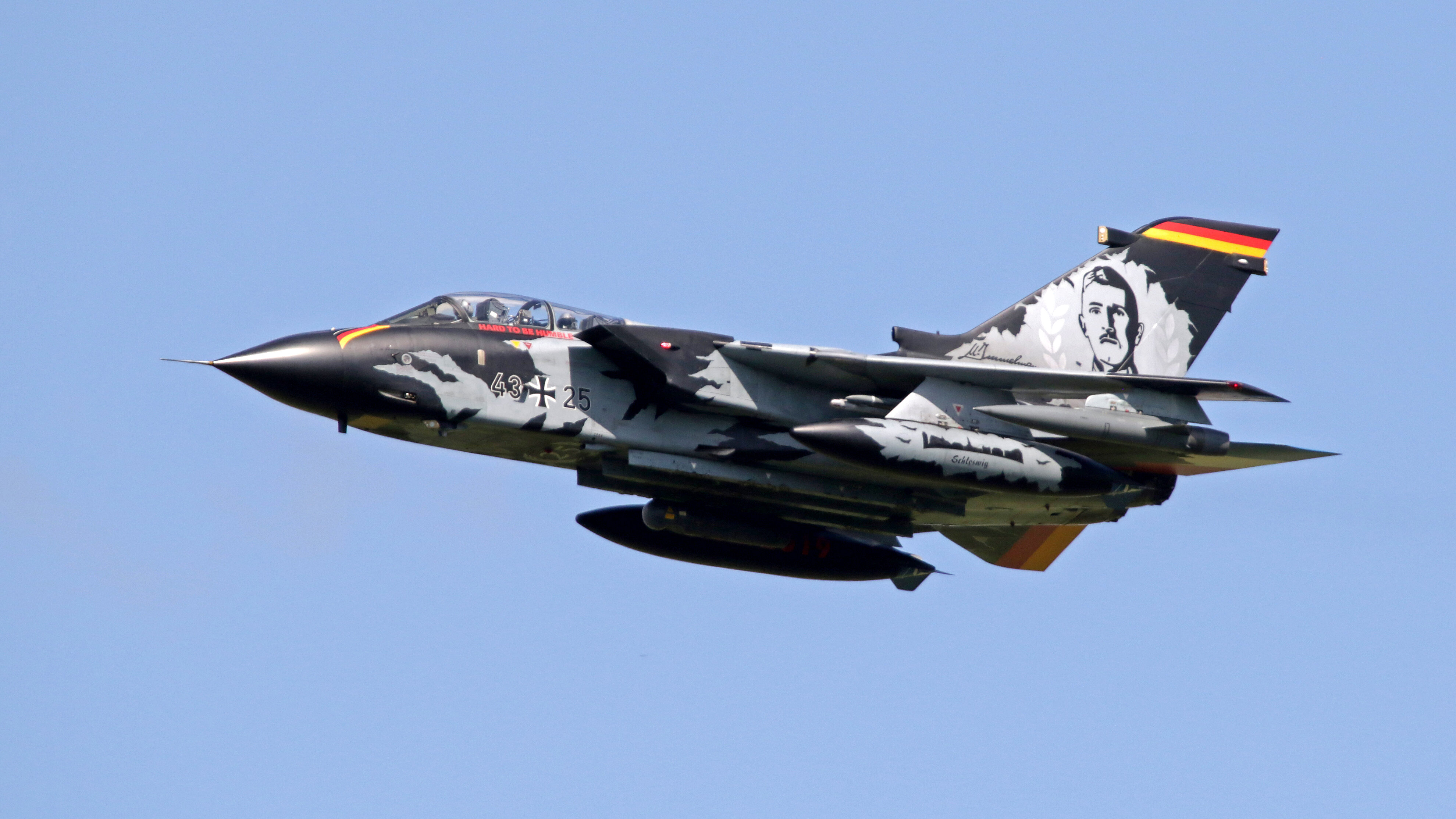
Das Bild zeigt ein Kampfflugzeug des Typs Tornado mit Sonderlackierung.
Open copyright info

Tactical Air Force Squadron 51 ‘Immelmann’

In February 1993, orders were issued to found a new Reconnaissance Squadron 51, equipped with naval aircraft, at the Schleswig-Jagel Naval Air Base. The unit, which was placed under the command of the 3rd Air Force Division, continued the traditional name ‘Immelmann’ from the outset. Reconnaissance Squadron 51 Immelmann is currently the only reconnaissance squadron in the German Air Force.

1

‘The Exceptional Object’ highlights different objects or groups of objects over a period of three to four months.

On a small scale, it fulfils the museum’s mission of bringing to light what remains of history, or what will be passed down from our time to future generations.

This format allows us to showcase notable new acquisitions or donations, commemorate significant dates or historical figures, and provide background information on current events. The museum’s curators bring these items to life. The featured object will always be displayed in the museum’s entrance area.