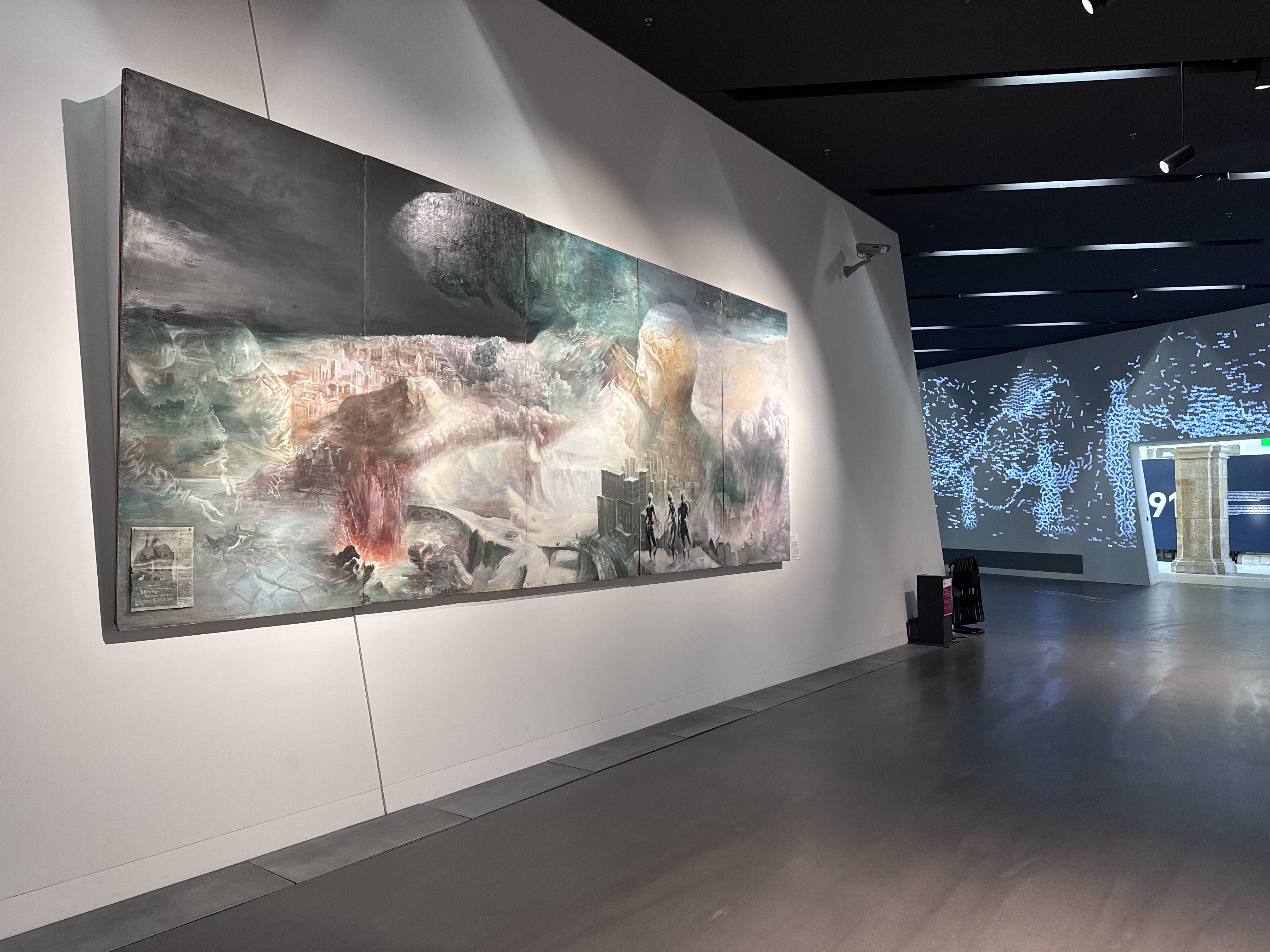
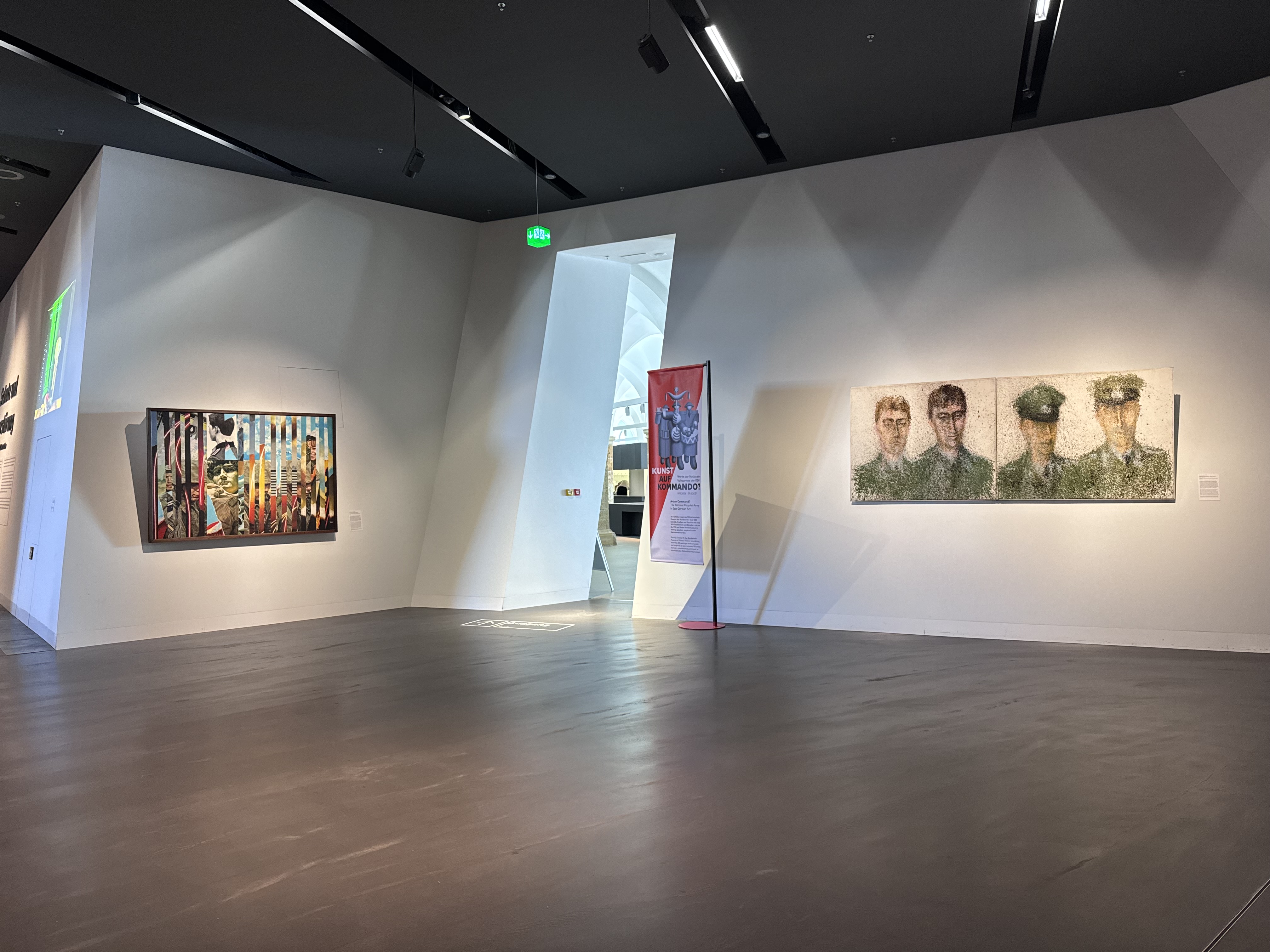

What happens when art meets political expectations? What images emerge between governmental orders, personal experience and artistic independence? For the first time, from 9 October 2026 to 31 August 2027, the Bundeswehr Museum of Military History will dedicate an exhibition to the complex art holdings of the National People‘s Army of the German Democratic Republic. Under the title “Art on Command?” the exhibition presents more than 200 paintings, graphics and sculptures by around 100 artists and focuses on the tense atmosphere between art, the state and the military in the GDR. Accompanying documents, film material and interviews with contemporary witnesses highlight the historical
context.
The presentation is based on a unique collection that came into possession of the Bundeswehr after the dissolution of the NVA in 1990. It spans the entire spectrum from the early years of East Germany to the present day and at the same time reflects today‘s associations with these specific art holdings. In addition, there are works that have been acquired in recent times, having been created beyond the scope of the GDR’s official art politics.
Military service as art motive
The exhibition examines the role of art in the German Democratic Republic and asks about the artists‘ scope of action between ideological influence, adaptation and individual artistic expression. Artists on display include Norbert Bisky (private loan), Manfred Butzmann, Hubertus Giebe, Bernhard Heisig, Gerda Lepke, Otto Nagel, Evelyn Richter, Arno Rink, Horst Sakulowski, Willi Sitte, Hans Ticha, Werner Tübke and Walter Womacka.
The SED demanded from artists that they deliver representations intended to strengthen loyalty and military motivation. Starting in the 1960s, the NVA itself acted as customer, and with the introduction of compulsory military service in 1962, military service became part of people‘s everyday lives and was increasingly taken up as a motif in art as well. The chronological and thematic tour takes visitors from the early phase of Socialist Realism to depictions of everyday life in the barracks and on to works created in the times of the peaceful revolution. Many works illustrate the ambivalence between governmental order and artistic independence.