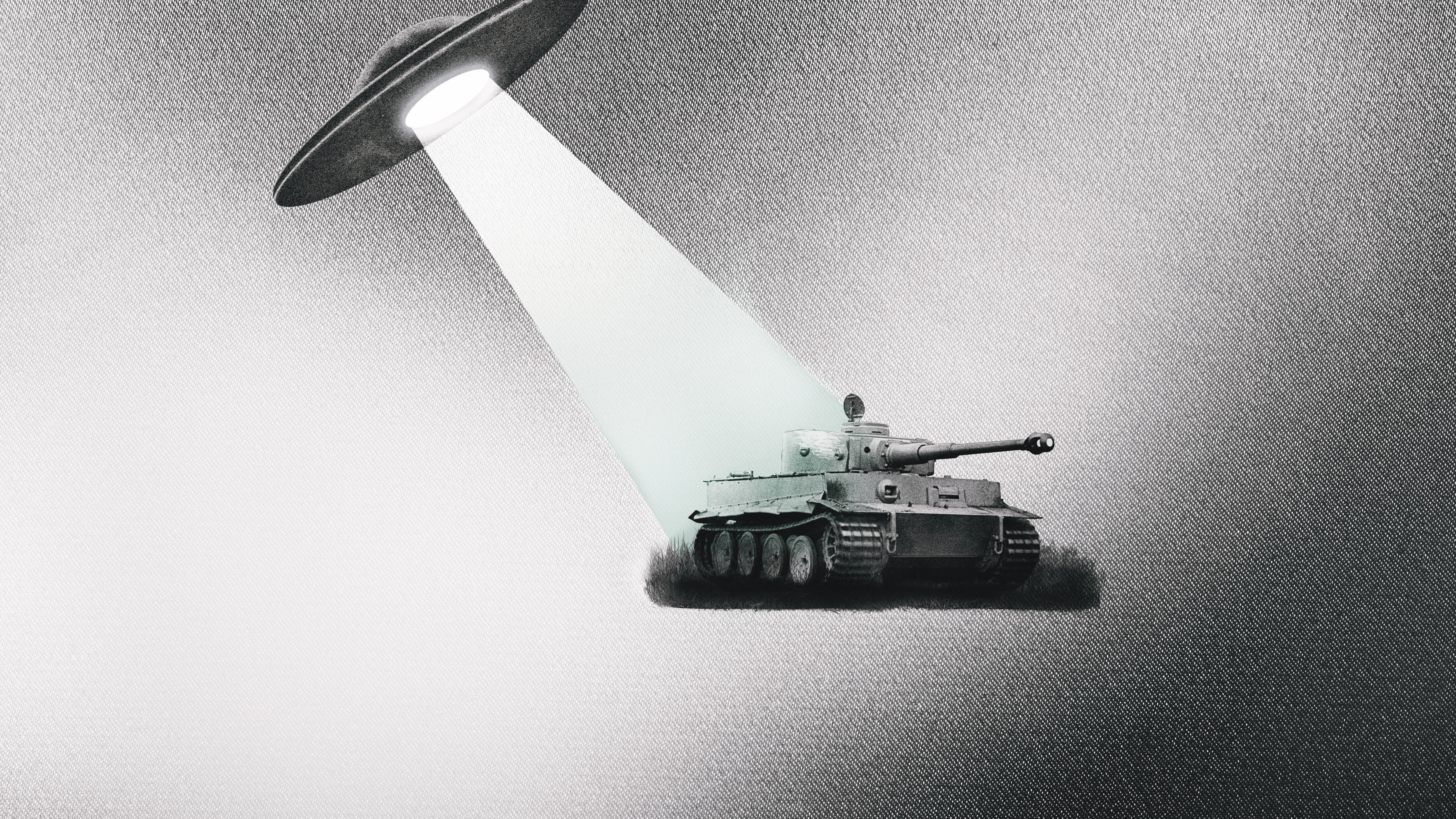
The illustration shows a Reich flying disc and a Tiger tank.
Open copyright info

Until March 9th, 2027

Wunder­Waffen

Until March 9th, 2027

Propaganda and military technology in Nazi Germany

The media staging of weapon systems

For centuries, military technology has served not only as a means of combat, but also as a tool of propaganda. In the 20th century, new technologies reinforced the symbiosis between the media and the military. In the technology-driven societies of the twentieth century, the staged presentation of cutting-edge military technology became increasingly important.

As a result, the V-1 and V-2 from the Nazi era (the “V” stood for “vengeance”) remain widely known – partly because they became famous as ‘wonder weapons’ through Nazi propaganda. The exhibition shows that behind the propaganda promise of miracles lay a vast and complex machinery designed to manipulate public perception.


Mass-produced weapons with limited success

As a preview to the special exhibition, the exhibition section entitled ‘Mass-produced weapons of defeat’ opened in December 2025. The weapon systems on display here were used in large numbers by the Wehrmacht during the Second World War – but often at the expense of quality and performance.

Not only did many forced labourers and concentration camp inmates die in their ruthless production, but the use of these weapons also led to heavy losses among German forces at the front. Nevertheless, propaganda emphasized their supposed superiority.


The myth of military technology

Whether it was the V-1 flying bomb, missiles, the Tiger tank or other weapons, each weapon system was embedded in an ideological framework that served propaganda purposes. The National Socialists’ enemy stereotypes were intended to justify an unprecedented unleashing of violence, and war propaganda attempted to inspire Germans to wage war with the help of stage-managed weapons systems.

At the beginning of the Second World War, propagandists learned how to effectively present weapons such as the Stuka dive bomber and the MG 42 machine gun known as ‘Hitler’s buzzsaw’. This process became more radical as the war progressed. As Germany’s position in the war worsened, ‘wonder weapons’ were deployed. These systems – referred to in German as ‘Wunderwaffen’ – were developed specifically for the propaganda war, even before they were used in combat.

A critical look at war propaganda

The resulting high tech and fantastical weapons projects provided fertile ground for Nazi conspiracy theories to take root after the war. Fantasy weapons such as the ‘Reich Flying Saucer’ played a major role in these narratives. The boundaries between these and the exaggerated weapon developments from the late phase of the Second World War, such as the Ratte 1,000-tonne tank, are fluid.

Some of the National Socialists’ propaganda methods are still effective today. Several new developments used in the war in Ukraine have been described as ‘wonder weapons’. The widespread use of the term ‘wonder weapons’ in connection with the war in Ukraine is currently the most prominent example. The exhibition thus shows that weapon systems and the discourse surrounding them must always be considered together, and uses the example of the Nazi era to raise awareness of the need for a critical perspective on this central aspect of modern war propaganda.


Plan your visit

Has the exhibition sparked your interest? Plan your visit to the Military History Museum.

Explore other exhibitions

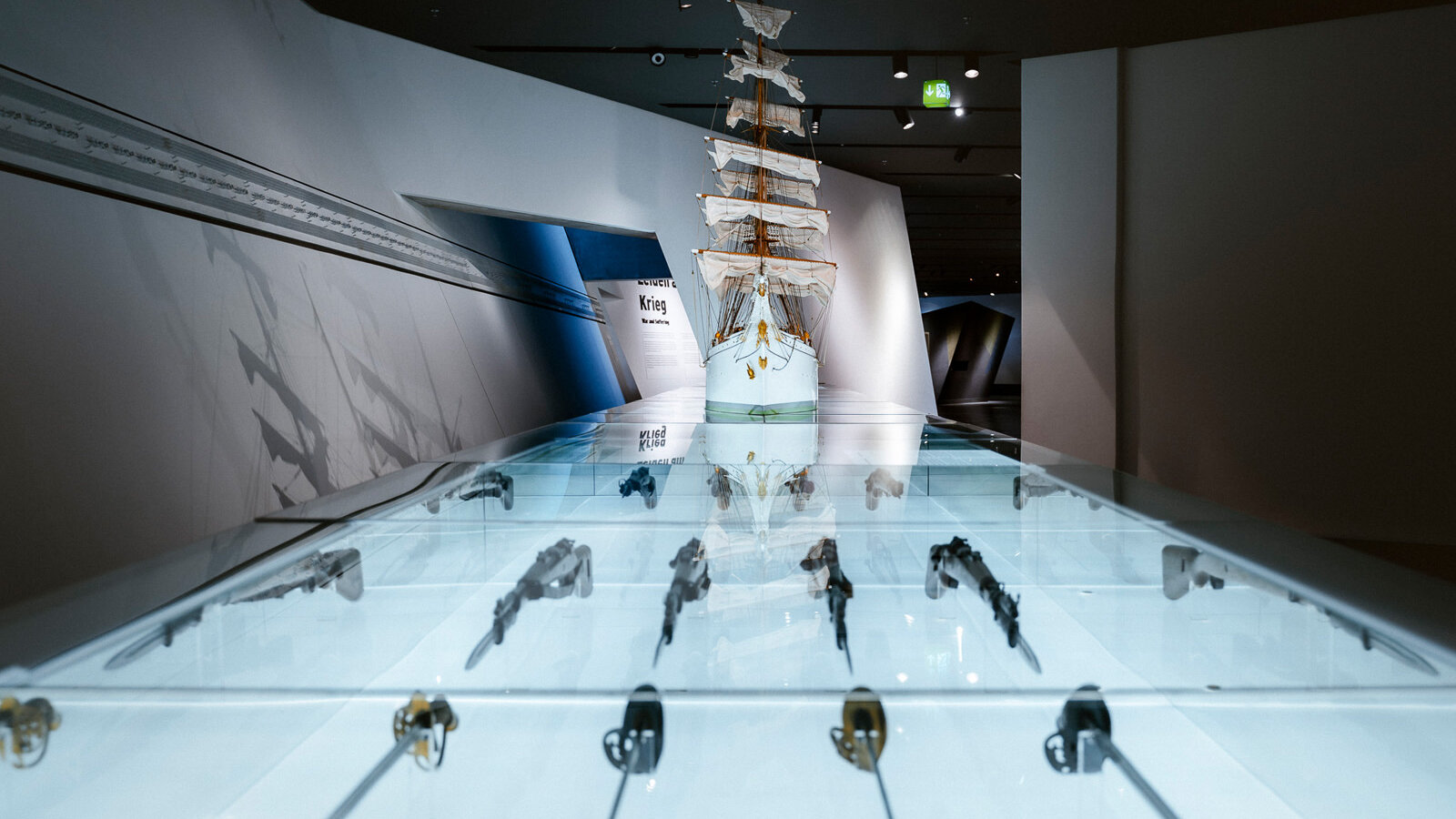
Display case from the ‘Bodies in formation’ section.
Open copyright info

Permanent exhibition

A multi-perspective view of the military, war and violence

Go to page
Archive
Zu sehen sind zwei Besucherinnen, sie The Wall besichtigen.
Open copyright info

The Wall

Fotografische Reise entlang des Atlantikwalls

Go to page
Archive
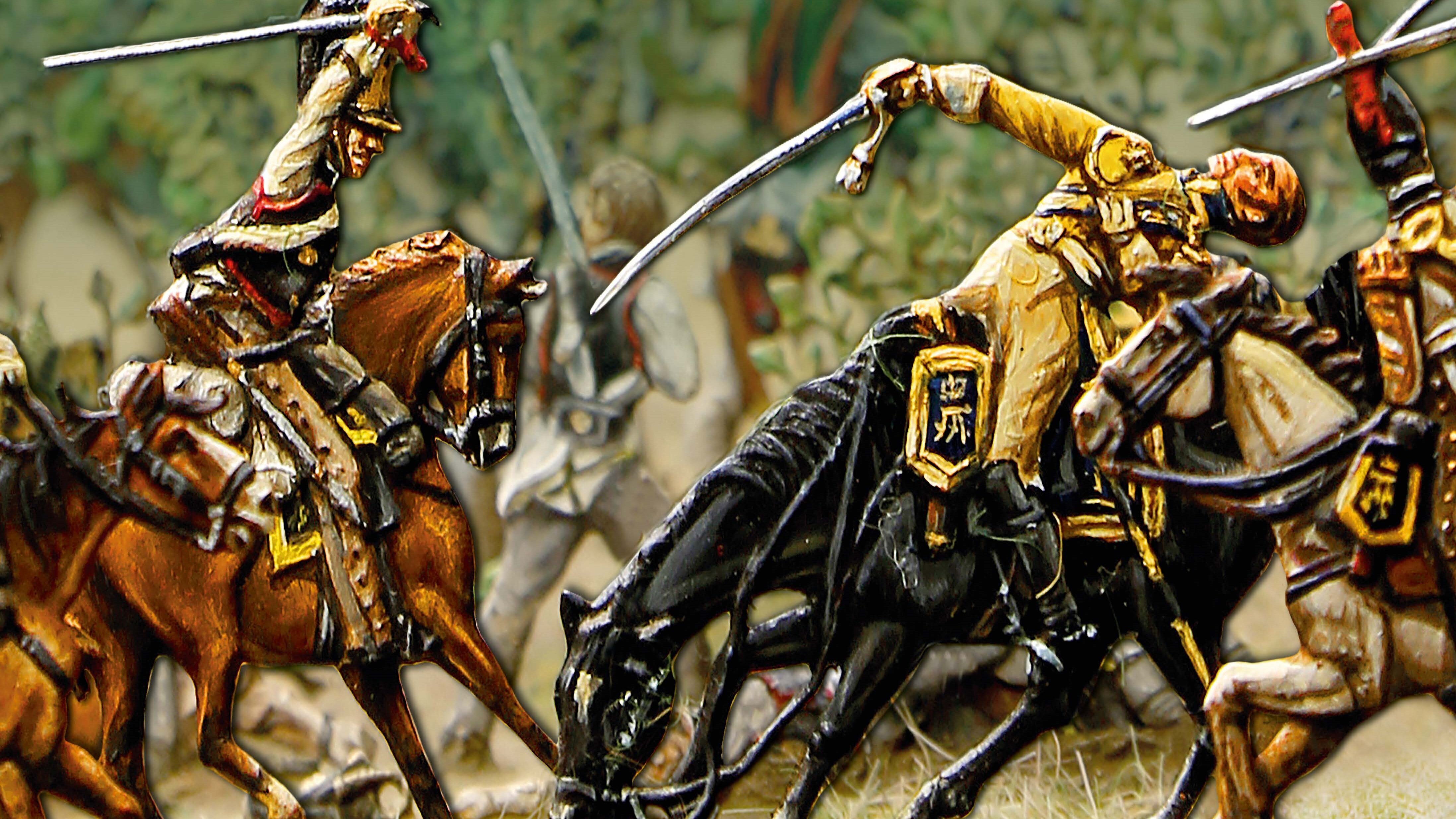
Diorama depicting a battle in the temporary exhibition.
Open copyright info

Napoleon must fall

Exhibition on Barclay de Tolly: documents, maps, and insights into Napoleon’s defeat and military strategy.

Go to page
1